Merken magazine
How I was Taught to Forget Myself
Essay by Ademinu
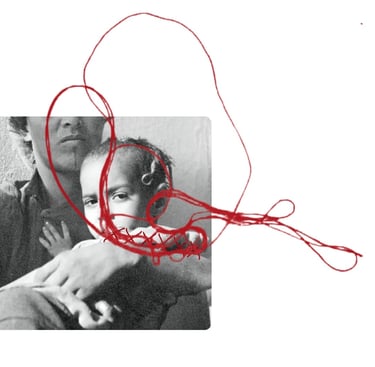
A confession woven through memories; each strand connects Disney Channel to silenced languages, bleached curls to grandmother's words. The thread tangles, breaks, and reweaves itself.
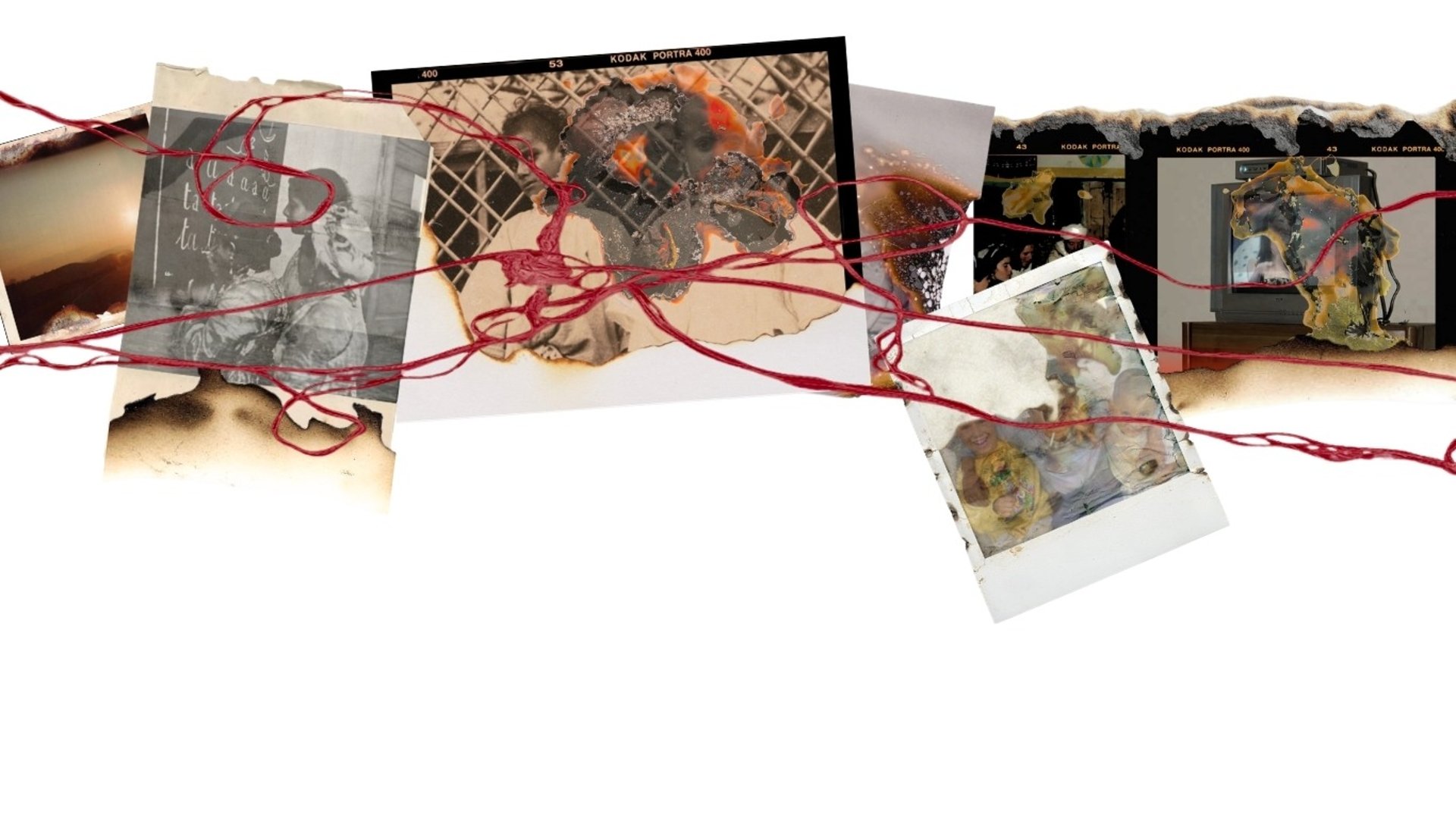
I was born in Morocco and raised on borrowed dreams, dreams imported in shipping containers stamped with Made in USA, Made in France, Made in Not You. I grew up in a house where the TV spoke louder than my parents and the laugh track of American sitcoms echoed louder than the call to prayer outside. I thought the glow of the Disney Channel was sunlight. I thought French was elegant and English was freedom and Amazigh was a backward shame to be hidden under the rug like dust before the guests came.
I was a child memorizing the wrong gods.
The first betrayal was school. I sat in rows of plastic chairs facing chalkboards smeared with French verbs. Bonjour, bonsoir, merci madame. No space for Tamazight here, no space for the language of my grandmother who spoke to the earth like it listened. They told us French was progress, Arabic was classical, Amazigh was nothing at all.
Nothing.
Silence louder than bombs.
Imagine being a child and having your mother tongue turned into a ghost you weren’t allowed to say out loud. Imagine learning Descartes wrote “I think therefore I am” and realizing they were training you to think only in their words, so you could only be in their image.

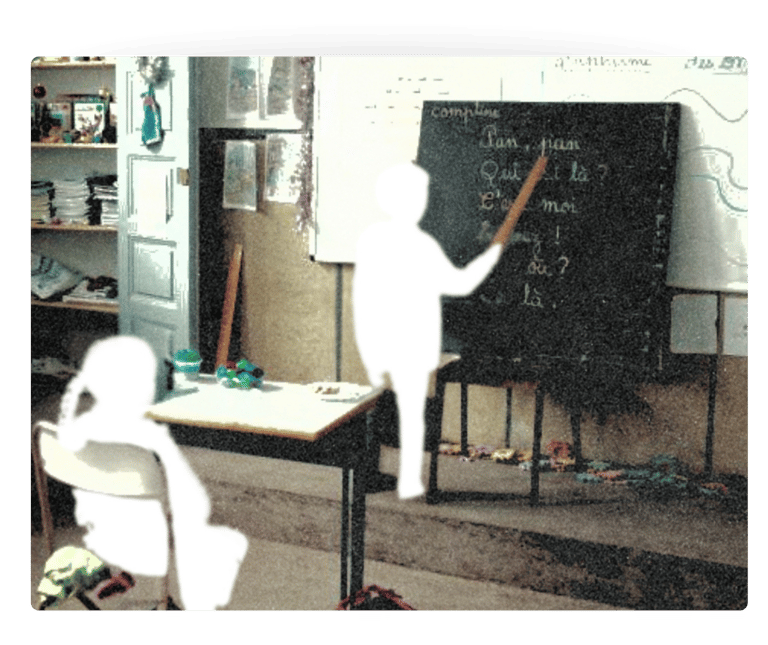
They gave us Molière instead of Al Jahiz, they gave us Voltaire instead of Ibn Khaldun. They gave us the illusion of civilization while erasing the civilizations that birthed us.
Colonisation is not just stealing land; it is teaching you to forget you ever had land to begin with.
I used to stand in front of mirrors and beg for a different face: lighter skin, smoother hair, eyes like the actresses in American teen movies. I was thirteen years old and I believed beauty was foreign. I believed the closer you looked to white, the closer you were to human.
I straightened my curls with chemicals that smelled like burning plastic and I thought that smell was the smell of success. I was bleaching myself from the inside out and calling it glow up.
Mental colonisation is self-hatred with lip gloss on.
I wanted to be anyone but me because every image I saw of me was a punchline: the Arab terrorist on TV, the African beggar in NGO ads, the exotic belly dancer fantasy. Never the human child sitting in front of a mirror wanting to disappear.

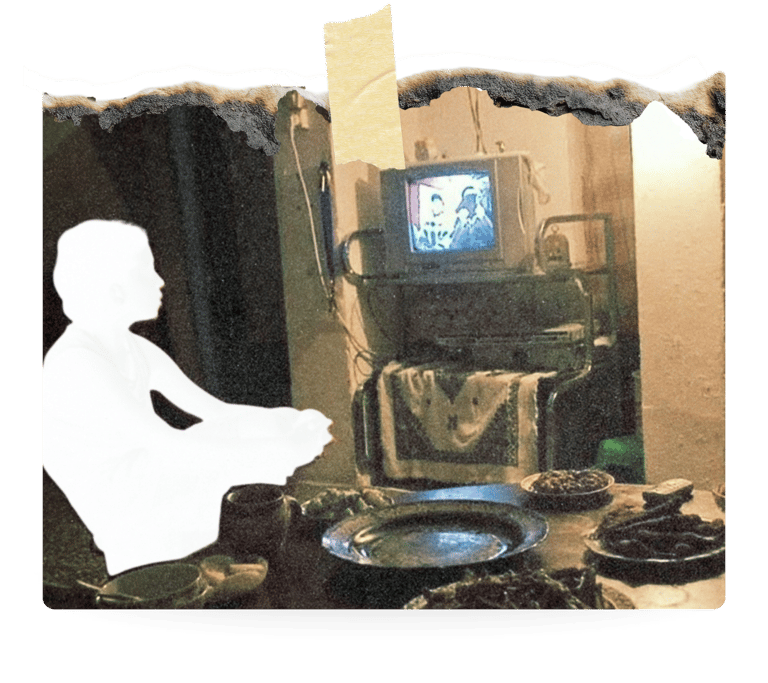
Sometimes it’s hilarious how deep the brainwashing goes. Like how I thought Starbucks was sophisticated when my grandmother’s mint tea could cure sadness in three sips. Like how I thought wearing Nike shoes made me global when my ancestors walked deserts barefoot and still built empires. Like how I thought speaking English on Instagram captions made me superior when I could barely speak to my own grandmother without shame choking me.
Funny not funny.
The kind of funny that makes you laugh until you want to throw up.
The kind of funny that feels like being the butt of a joke you didn’t know was being told.
Cartoons were the new colonizers. I watched Hannah Montana and thought double lives were glamorous, not realizing I was already living one. Me at home speaking Darija, me at school stumbling through French, me on the internet pretending I was born in California. Three masks and no face underneath.
American music videos told me shaking ass was rebellion. Hollywood told me kissing blondes was freedom. Instagram told me my nose was wrong, my lips were wrong, my skin was wrong. Everything was wrong unless it was not mine.
I was colonised by pixels.
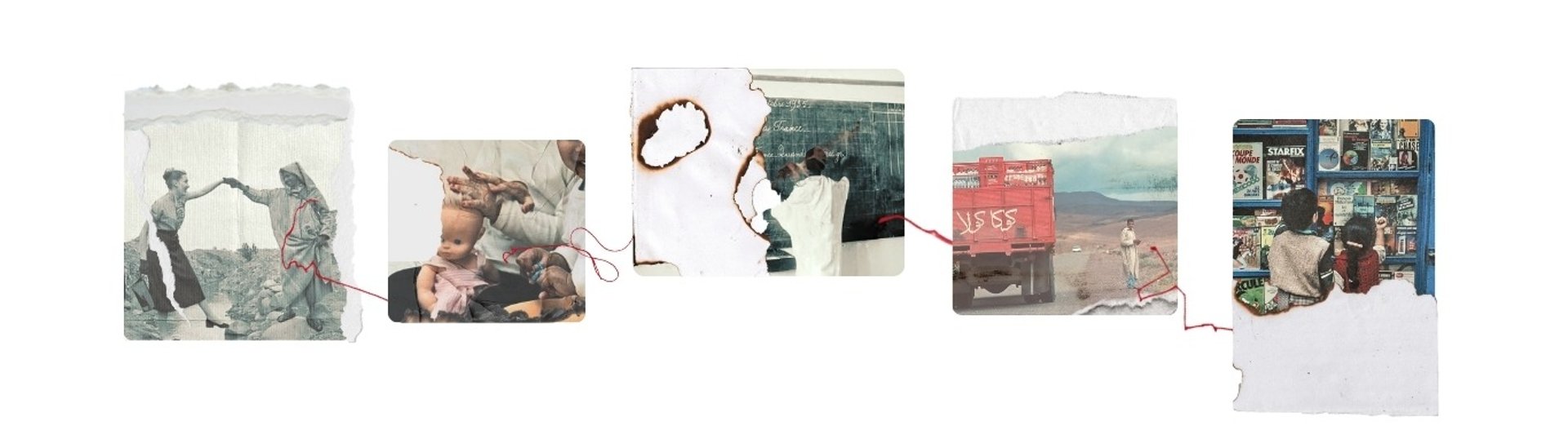
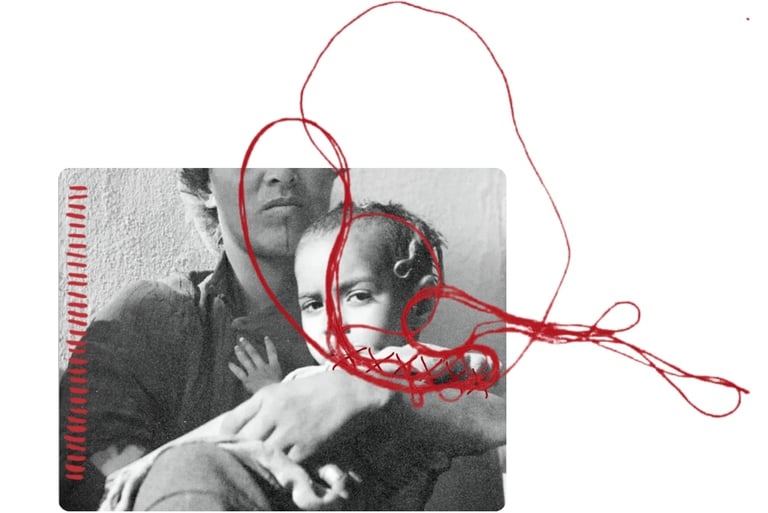
My grandmother tells me stories about the mountains she left behind, and her words sound like spells, but I used to tune out, thinking her accent was embarrassing. My father tells me how he learned French at school and believed it was the only way to escape poverty, and I used to believe him too. My mother teaches me prayers, and I recite them without feeling because the TV is louder than God.
But now I go back and listen again. I hear the wisdom I once laughed at; I hear the survival encoded in every proverb. They were the archive I almost lost.
So I rage. I rage at the banks still sucking Africa dry. I rage at the textbooks still calling Europe the center of the world. I rage at the influencers wearing Amazigh jewelry as aesthetics while we hide it in drawers out of shame.
But I also laugh. I laugh at how obvious it all is now. I laugh at how empire thought they could erase us with a sitcom and some fast food. I laugh because survival itself is comedy sometimes.
So what now?
Now I spit in three languages and refuse to apologize for the mess. Now I wear my skin like a crown instead of a burden. Now I look at mint tea and call it luxury.
I am not Western. I am not a shadow. I am not a mirror reflecting their face back to them. I am Moroccan. I am Amazigh. I am Arab. I am African. I am everything they tried to bleach, and still I rise.
Mental colonisation is the longest war, and the battlefield is the body, the classroom, the mirror, the TV screen, the Instagram feed, the voice in your head that whispers you are not enough.
But I am enough.
I always was.
They just buried it under commercials and textbooks and white Jesus posters.
I fight by remembering, I fight by laughing, I fight by writing like this: raw, messy, loud, angry, alive. If my words feel unpolished, good. If my style feels too much, good. If my essay feels like screaming on paper, good.
Because screaming is the sound of ghosts leaving the body.
Because anger is the proof I survived.
But something broke eventually, it always does.
You can only bleach your tongue so many times before the taste of blood starts coming through.
For me it was slow, not a revolution, just a drip drip drip realization:
Like noticing that Coca Cola tastes like acid, not liberation. Like seeing the news and realizing French corporations still own half of our mines, and they call it partnership. Like overhearing old women in the souk trading proverbs in Amazigh and realizing their poetry was more alive than any Shakespeare monologue I memorized for exams.
I started asking questions. Why do I know every American president but not my own history? Why do I feel proud ordering fast food in English but embarrassed buying olives in Darija? Why do I call myself modern for copying someone else and traditional for being myself?
The answer is colonisation — not the old kind with guns, but the new kind with ads and textbooks and influencers and debt.
Colonisation is not abstract, it lives in the body:
In the way my shoulders tense when I speak Arabic in a classroom.
In the way my stomach twists when my accent betrays me in English.
In the way I cover my hair or uncover it depending on what gaze is watching.
In the way my own reflection feels foreign territory.
They don’t need soldiers anymore; we carry the occupation inside our chests.
About The Author
ADEMINU is a Moroccan writer and first-year college student whose work explores identity, memory, and the small rituals of everyday life. They have experience in poetry, essays, and translation. They write from blood & ashes, where words pour out like a river of mistakes, memories, and whatever the heart can’t hold anymore